Science of Reading Courses for Districts and Schools
Strengthen Your Literacy Instruction with TNTP
TNTP’s Science of Reading professional learning helps entire teams of educators deepen their understanding of how students learn to read and apply that knowledge directly to their curriculum materials. Our flexible courses combine insights from cognitive science with practical strategies, empowering teachers to integrate evidence-based practices into daily instruction and build a strong foundation for literacy success across your school or district.
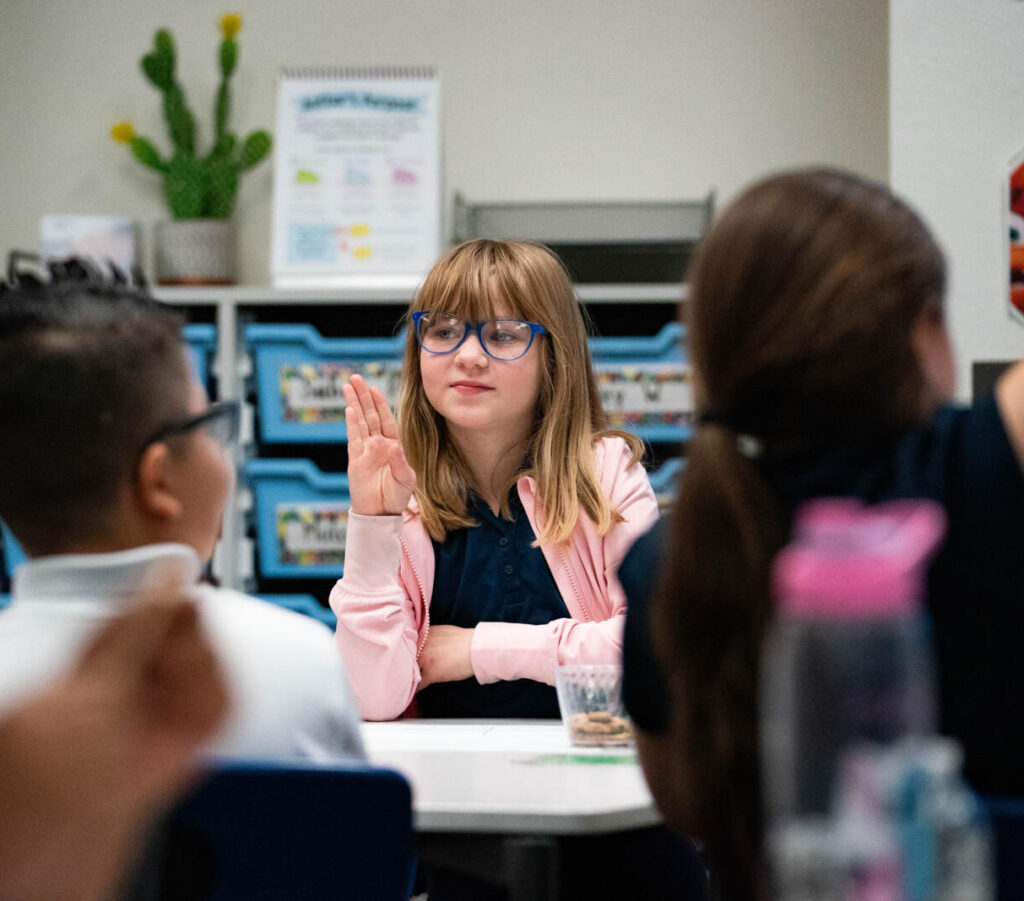
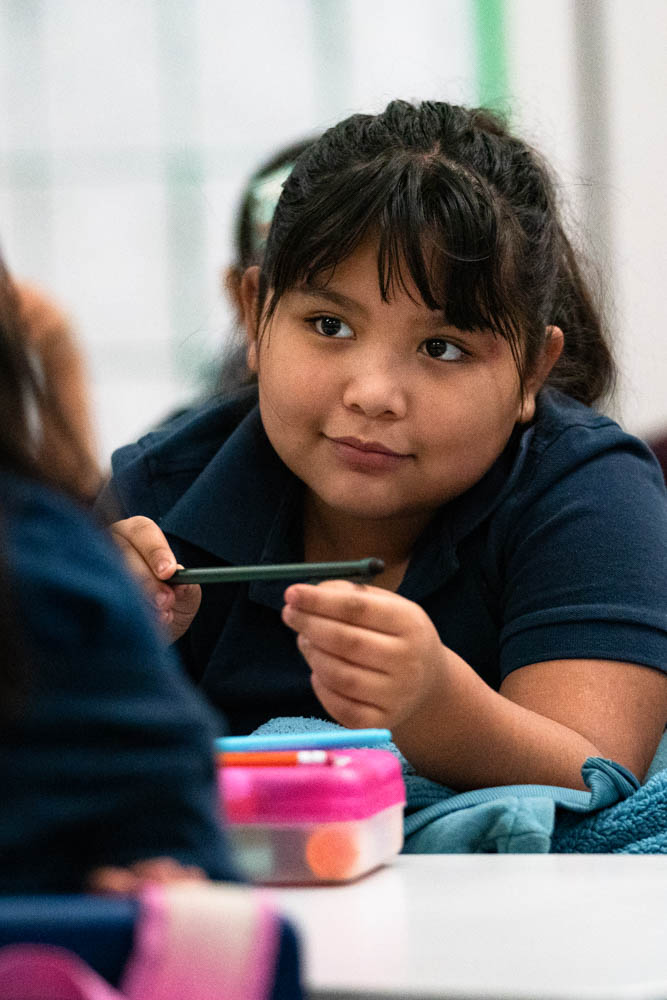
Third-grade students collaborate on an interactive project.
A Flexible, Two-Part Approach for Staff-Wide Learning
Our Science of Reading professional learning program combines self-paced coursework with facilitated practice sessions, helping educators not only understand the research, but also bridge the knowing-doing gap by applying their learning directly in the classroom.
Part 1: Asynchronous Learning Modules
Teachers explore how the brain learns to read and build instructional expertise through evidence-based strategies they can immediately put into practice. Interactive modules include quick checks, reflection prompts, and ideas for classroom application. With 12 months of access, the asynchronous course fits into busy schedules and can be completed on any computer, phone, or tablet.
Part 2: Facilitated Practice Sessions to Apply Learning
Facilitator-led sessions give staff the opportunity to practice using their own materials and student data. These sessions are customized to your team’s priorities, ensuring teachers gain strategies aligned with your curriculum, student needs, and instructional goals.
Two Grade-Level Tracks for Targeted Support
Students’ literacy needs shift dramatically from early elementary through secondary school. To ensure your staff has the right tools at every level, TNTP offers two complementary courses:
Lower Elementary (K–3)
10 Online Course Modules | 25–30 Hours
8 Facilitated Practice Sessions | 12–15 Hours
Equip educators with strategies for building the foundations of reading—phonics, fluency, comprehension, and vocabulary—so every child becomes a confident reader.
Educators will learn how to:
- Deliver explicit, systematic foundational skills instruction
- Build fluency, comprehension, and vocabulary using high-quality texts
- Support early readers at all levels with research-based approaches
- Apply evidence-based reading practices using your existing curriculum
Upper Elementary and Secondary (Grades 4–12)
6 Online Course Modules | 15–20 Hours
6 Facilitated Practice Sessions | 9 Hours
Support older students as they shift from “learning to read” to “reading to learn.” This course helps educators address instructional gaps and strengthen advanced skills in comprehension, vocabulary, writing, and discussion.
Educators will learn how to:
- Use evidence-based strategies for older students who need more practice with foundational skills
- Support comprehension of complex texts
- Integrate vocabulary, writing, and discussion for deeper learning
- Apply evidence-based reading practices using your existing curriculum
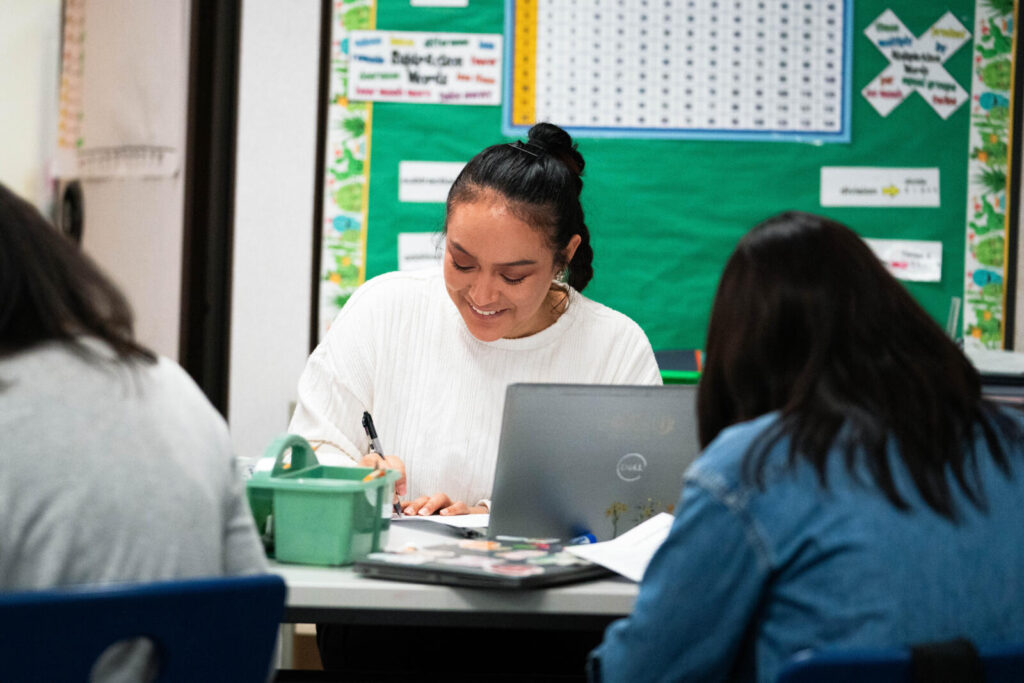
Focused and smiling, this Capitol Elementary School teacher jots down learnings between lessons.
Real Impact: Washington County, MD
Over 1,000 educators in Washington County used TNTP’s Science of Reading course and job-embedded support to strengthen their instruction. As a result, the percentage of kindergarteners reading at or above grade level jumped from 39% to 70% in just three years—helping the district rise to 4th in the state.
Your teaching makes this kind of impact possible.
Start with a Free Consultation
Explore tailored professional learning solutions for your school or district.
"*" indicates required fields